Steps to Understanding the Built Environment
... and doing something about it.
CURRENTLY THIS SITE IS UNDER REDEVELOPMENT, SO PLEASE BE PATIENT.
YOU CAN STILL FIND INTERESTING THINGS ON IT !!!!
As with so many things, our built environment is complex. So many factors... and they form a complex web of interactions.
For those aspiring to improve human welfare, this offers insights and methods into how to explore and intervene in the built environment from different perspectives - not just from the traditional viewpoints of architects and planners, but using the tools of other disciplines, economists, mathematicians, psychologists, historians, and perhaps even the marketing man.
One approach is to work to understand people better - after all, the built environment exists to serve their complex needs, not just for basic shelter, but to address what are the fascinating aspects of just being human.
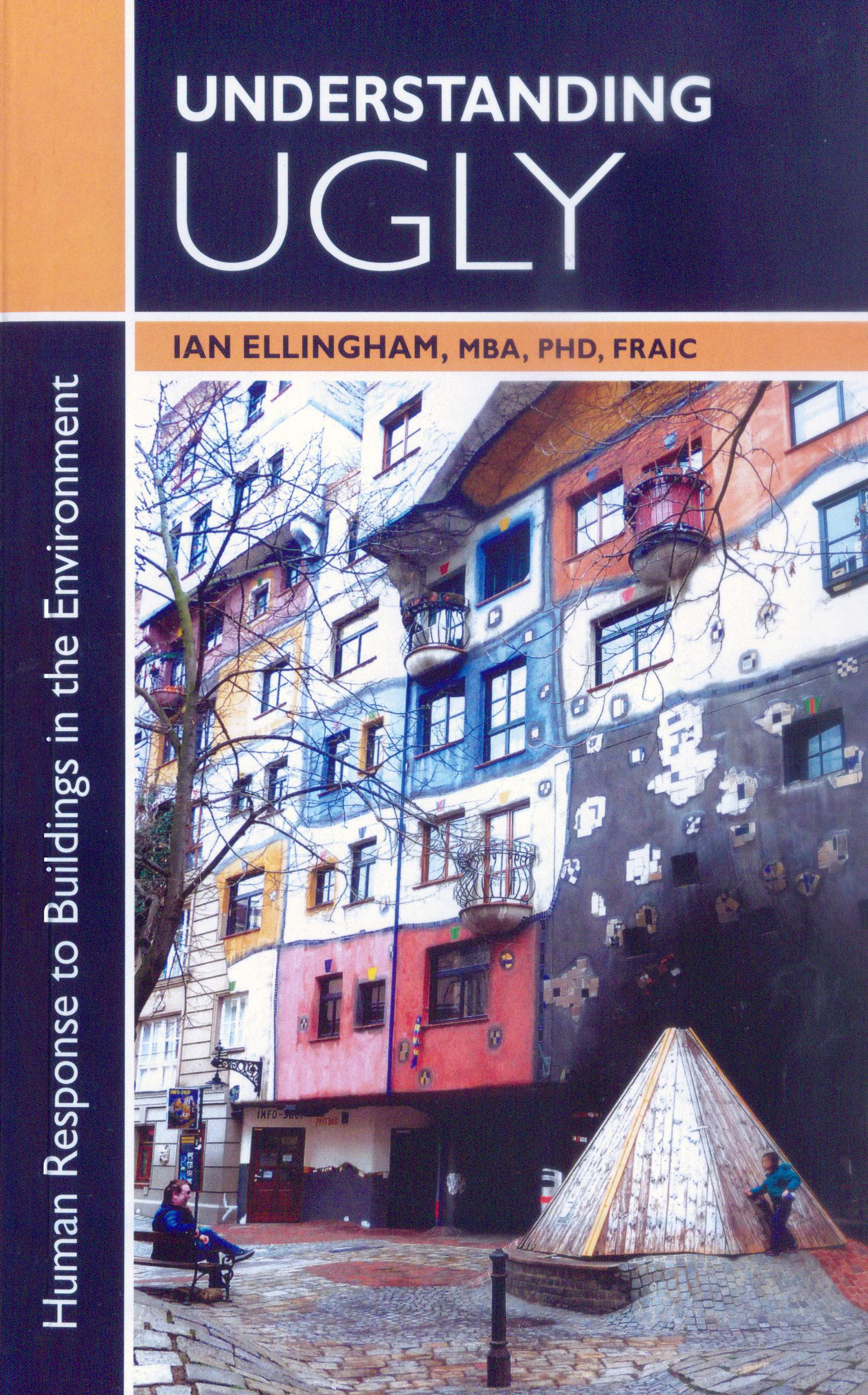
In keeping with our objectives, numerous books and articles have been created, including a book that, using experimental evidence from many sources, explores the complex relationships between people and the visual aspects and meanings of buildings and urban spaces. If you want a free download of 'Understanding Ugly', our most recent book CLICK HERE.
Past papers, articles and videos on various subjects:
Heritage
Decision-Making
Design Concepts
Other sites of interest include: